
Vanity Fair Photographer Defends Portraits of Trump Administration Officials
Christopher Anderson, the veteran Vanity Fair photojournalist behind the striking images that accompanied the magazine’s explosive new Trump administration report, is not apologizing. In fact, he’s doubling down.
The photos ran alongside a two-part exposé by Vanity Fair reporter Chris Whipple, built from multiple on-the-record conversations with top figures inside President Donald Trump’s second-term White House. Those sources included Vice President JD Vance, Secretary of State Marco Rubio, chief of staff Susie Wiles, press secretary Karoline Leavitt, and deputy chief of staff Stephen Miller. The reporting stirred serious buzz, but it was Anderson’s photos that really lit the fuse.
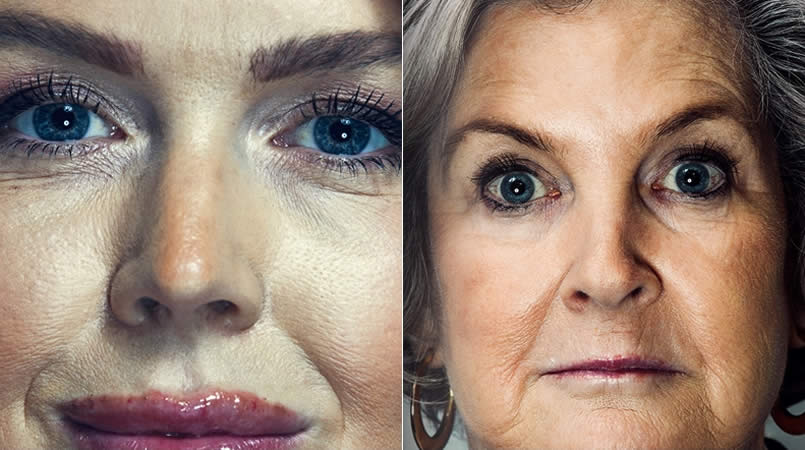
Shot with harsh lighting and extreme close-ups, the portraits were impossible to ignore. Wrinkles were visible. Makeup looked imperfect. Skin texture wasn’t smoothed out. The images felt confrontational, even judgmental, and that seemed intentional. Critics quickly accused Anderson of being cruel or unfair, especially when it came to Leavitt.
At just 28 years old, Leavitt became the main target of online commentary. Viewers fixated on her appearance, pointing to an orange-toned nose, visible pores, mascara settling under her eyes, and what some believed were filler injection marks around her lips. Comparisons spread between the Vanity Fair image and her official White House portrait from earlier this year, where her lips appeared noticeably different.
The backlash from conservative commentators arrived fast and loud. Anderson, however, brushed it off and calmly defended his approach in multiple interviews on Wednesday.
In an email exchange with Newsweek reporter Marni Rose McFall, Anderson stressed that his work isn’t meant to resemble glossy commercial photography. “Style is for others to judge,” said Anderson. “My objective, when photographing the political world, is to make photographs that cut through the staged-managed image to reveal something more real and for the images to honestly portray the encounter that I had at that moment. Being very close is part of how I have been doing this for many years now.”
He also addressed the shock some people expressed over the lack of retouching, something many have come to expect in the age of social media filters and polished press images.
Anderson echoed those points in a phone interview with Shane O’Neill of The Washington Post, where he was asked directly about claims that the photos were unfair, especially the image of Leavitt and what O’Neill described as “what appear to be injection sites.”
“I didn’t put the injection sites on her,” replied Anderson. “People seem to be shocked that I didn’t use Photoshop to retouch out blemishes and her injection marks. I find it shocking that someone would expect me to retouch out those things.”
He made it clear that styling choices weren’t his responsibility either. “That’s the makeup that [Leavitt] puts on, those are the injections she gave herself,” he said. “If they show up in a photo, what do you want me to say?”
Anderson suggested that the intense reaction says more about modern expectations than about his work. He pointed to a culture shaped by Photoshop, AI tools, and Instagram filters, where heavily altered images have become the norm. For him, political photojournalism should live in a different lane than celebrity portraits or campaign branding.
The controversy hasn’t slowed interest in the story. If anything, it’s amplified it, pushing fresh attention toward the Vanity Fair report and reigniting debates about image control, authenticity, and how power is presented to the public.
For readers looking to dive deeper, you can find the original Vanity Fair reporting at vanityfair.com, Anderson’s comments via Newsweek at newsweek.com, and additional context from The Washington Post at washingtonpost.com.
Whether people love or hate the photos, Anderson seems unfazed. His message is simple. These aren’t meant to flatter. They’re meant to show reality, exactly as it appeared in the room.