
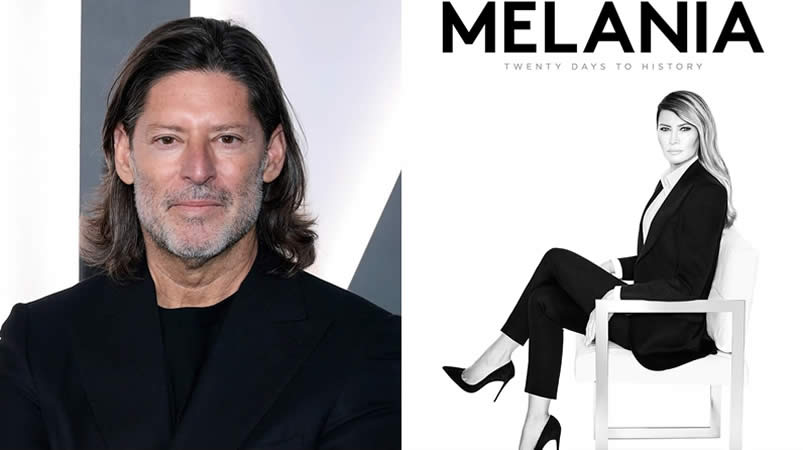
‘It’s a Blatant Lie’: ‘Melania’ Producer Marc Beckman denies claims of Unauthorized Music use
A dispute over music rights has cast a fresh spotlight on the documentary “Melania,” with its producer forcefully denying claims that a key song was used without proper approval.
The controversy centers on a piece composed by Jonny Greenwood for the 2017 film Phantom Thread, directed by Paul Thomas Anderson. Greenwood and Anderson say they were not consulted before the music appeared in the new documentary about Melania Trump.
According to Variety, the filmmakers behind Phantom Thread became aware that a portion of the score had been included in “Melania.” In a joint statement, they said that while Greenwood does not personally hold the copyright to the score, they believe the studio failed to consult him about the third-party use. They described that omission as a breach of his composer agreement and formally requested that the music be removed.
Producer Marc Beckman strongly disputes that characterization.
In remarks to Breitbart News, Beckman dismissed the allegations outright. He insisted that the production secured all necessary rights through proper channels and that legally binding agreements cover every piece of music used in the film.
“We followed protocol,” Beckman said, emphasizing that artists were compensated and that the team operated within established industry standards.
Beyond the legal disagreement, Beckman also criticized media outlets for publishing reports without first contacting the documentary’s production team for comment. He expressed concern that incomplete reporting can distort public understanding of contractual disputes that are often more complex than headlines suggest.
At the heart of the issue is a common but often misunderstood aspect of film music licensing. In many cases, the copyright for a film score is owned by the studio rather than the composer. That arrangement can allow studios to license music for additional uses without the composer’s direct approval, depending on the terms of the agreement. Greenwood and Anderson appear to argue that consultation was required under the specific terms of his contract. Beckman, meanwhile, maintains that all legal requirements were satisfied.
The documentary itself has drawn mixed reactions. It currently holds an 11 percent critic score on Rotten Tomatoes, though audience reception has reportedly been stronger. The film follows Melania Trump during the final 20 days leading up to her husband’s 2025 inauguration.
Financially, the project represents a significant investment. Amazon MGM Studios reportedly paid $40 million to license the film. According to The Guardian, it earned $13.35 million domestically in its first two weeks, buoyed in part by organized theater outings among Republican women’s groups.
For now, the question of whether the music will remain in the documentary may hinge on the fine print of Greenwood’s composer agreement and the studio’s licensing authority. Legal experts note that disputes over the use of scores are not uncommon in Hollywood, especially when politically charged projects intersect with high-profile artists.
Until the contractual details become public or the parties reach a resolution, the disagreement underscores how even background music can spark front-page controversy.