
“She told Epstein Just Marry Me” Sarah Ferguson Apologized Publicly but Emailed him Privately
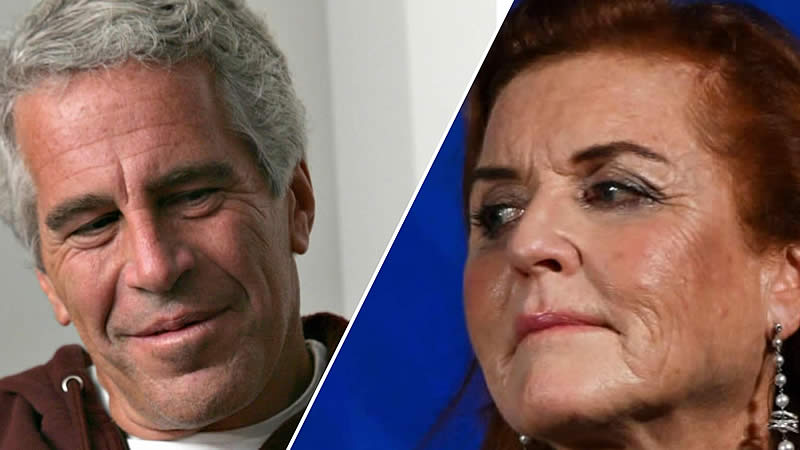
Sarah Ferguson, the former Duchess of York, is making headlines after the release of a trove of emails between her and convicted sex offender Jeffrey Epstein, revealing a bizarre and troubling post-prison relationship.
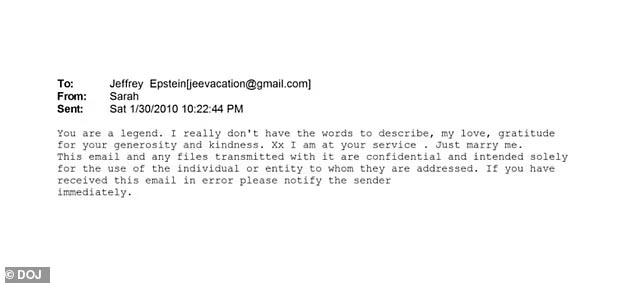
According to newly unsealed documents from the U.S. Department of Justice, Ferguson once emailed Epstein in January 2010, just six months after he was released from jail, writing: “You are a legend. I really don’t have the words to describe, my love, gratitude for your generosity and kindness. Xx I am at your service. Just marry me.”
Also Read: Sarah Ferguson struggles as friends distance themselves and Royal Lodge exit looms
The records don’t explain the context behind the message, but it’s just one of several that paint a picture of ongoing contact between Ferguson and Epstein even after his 2008 conviction for soliciting sex from underage girls.
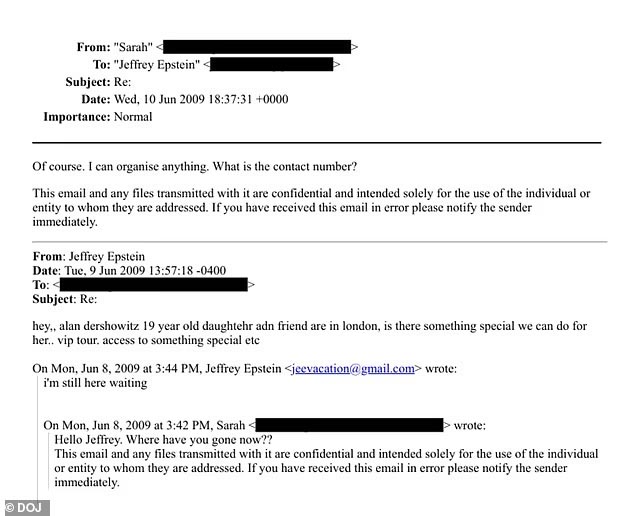
Other emails show Ferguson offering VIP tours of Buckingham Palace to Epstein and his associates. In June 2009, while Epstein was still serving his sentence, she reportedly told him: “I can organise anything” when he asked about access to something special in London for the daughter of his lawyer, Alan Dershowitz.
In another email from September 2009, she joked that Epstein should marry a woman with a “great body” and added, “Ok well marry me and then we will employ her.”
Read More: Andrew Steps in to Support Sarah Ferguson Through ‘Latest Mess’ Amid Epstein Leak
But these interactions weren’t all lighthearted. The documents show that Epstein later pressured Ferguson to publicly defend him. In March 2011, he asked his publicist to draft a statement for her, claiming she had been “duped” by civil attorneys and now knew “Jeffrey is not a pedophile.” Emails suggest Epstein considered legal threats when she hesitated.
Even after publicly saying in a 2011 interview that she had “deep regret” over her ties to Epstein and had made a “terrible, terrible error of judgement,” Ferguson emailed him just weeks later saying she “did not” and “would not” call him a “P” and claimed she was only protecting her brand.
The emails also show that Ferguson continued praising Epstein in private, calling him “the brother I have always wished for,” thanking him for boosting her business ventures, and even arranging potential royal introductions on his behalf.
These messages, all sent after Epstein’s conviction, cast serious doubt on how far she really distanced herself from him, and they’re raising tough questions about loyalty, access, and judgment inside the former royal circle.